

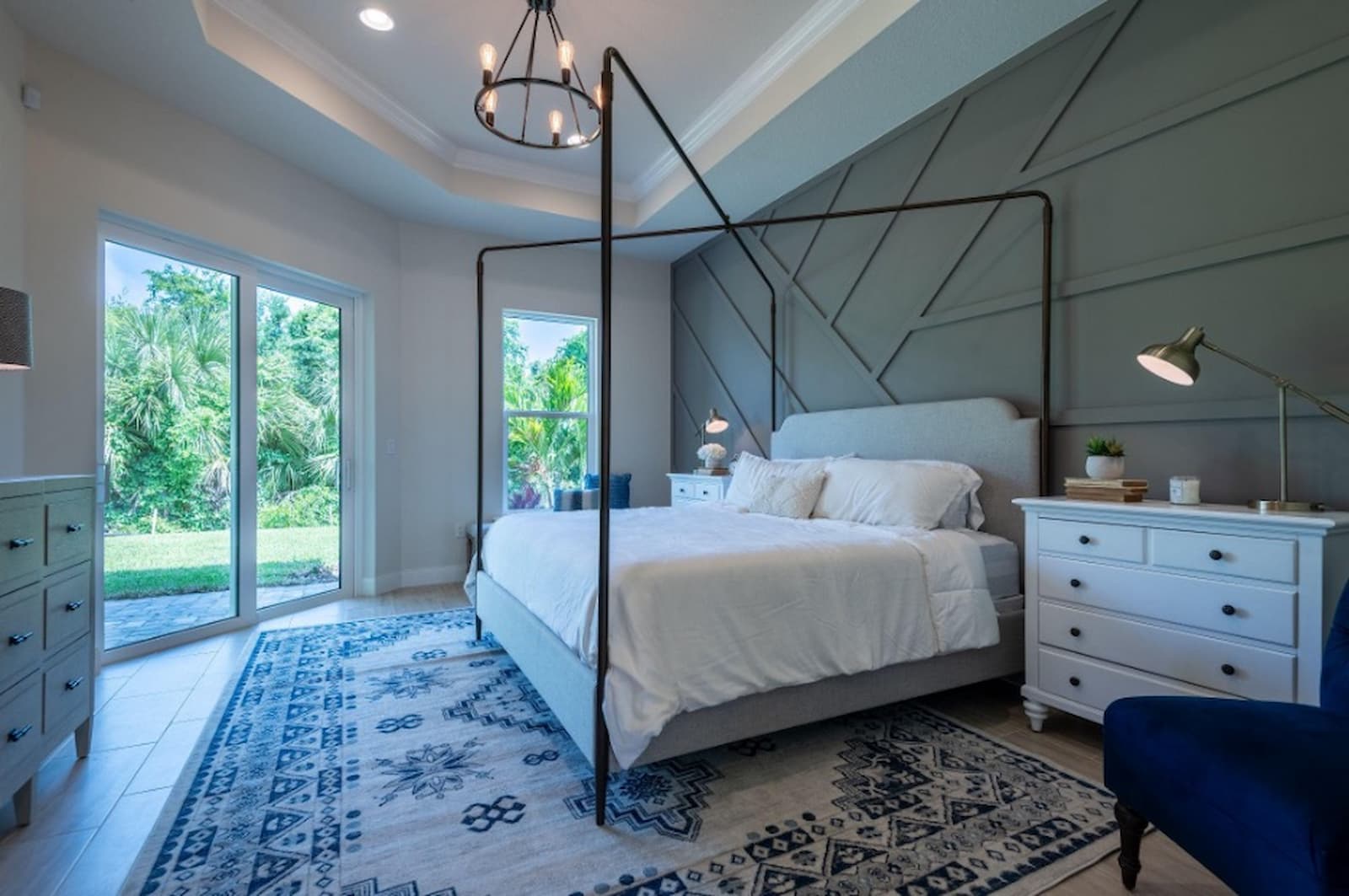
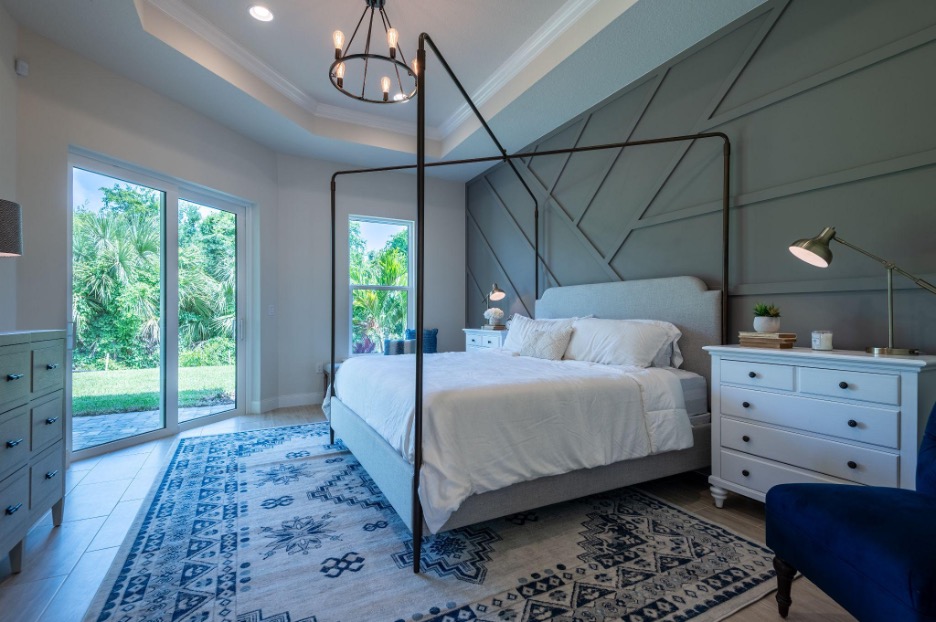
Walk into two homes with the same square footage, similar layouts, and comparable finishes, and one will almost always feel more refined. More complete and more intentional.
The difference is rarely the paint color or the furniture. Often, it is the trim.
In many new homes today, open floor plans and tall ceilings are paired with wide expanses of drywall. Clean, but sometimes flat. Thoughtful trim carpentry is what adds architectural depth, proportion, and warmth. It is one of the most effective ways a skilled Custom Home Builder can elevate an interior without dramatically increasing the overall budget.
What Trim Carpentry Really Does
Trim work is not just decorative, it’s also architectural.
Well-designed trim creates shadow lines that add contrast. It introduces transitions between materials. It defines spaces within open layouts. It gives tall walls proper scale and proportion. In Florida homes, where tile floors and light wall colors are common, trim helps soften the space and keeps it from feeling sterile.
In high end custom construction, these details are planned early rather than treated as an afterthought. The result is a home that feels cohesive and custom instead of production built.
Even the most basic trim elements offer significant opportunity. Crown molding, baseboard profiles, door casings, and interior door styles all come in dozens of variations. Small changes in profile shape, height, thickness, or panel design can dramatically influence character. A taller baseboard can make ceilings feel higher. A thicker door casing adds visual weight. A more detailed door panel immediately elevates a hallway. Individually these decisions seem minor, but together they shape how a home is perceived.
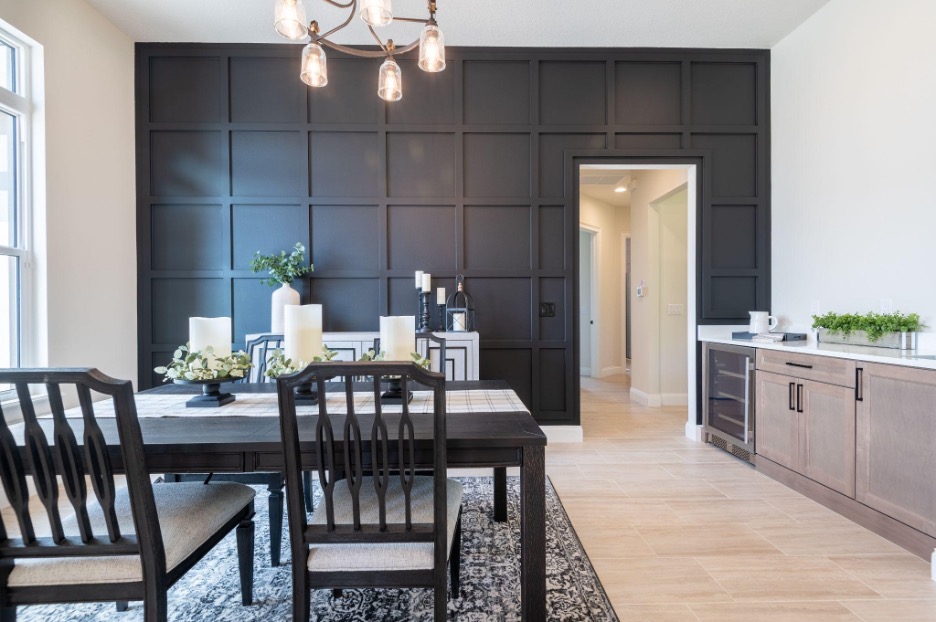
Breaking Up the Drywall: Wall Treatments That Add Dimension
One of the simplest ways to transform a room is to introduce texture to the walls.
Shiplap and accent walls remain especially popular in coastal communities like Satellite Beach, Indialantic, and Cocoa Beach. Installed horizontally, vertically, or even in a herringbone pattern, shiplap adds rhythm and visual movement. Painted white, it feels classic and coastal. Finished in a natural tone, it leans toward traditional craftsmanship.
Beyond shiplap, panel molding and board and batten layouts can turn an ordinary dining room or office into a standout space. Picture frame molding adds subtle formality. Board and batten introduces vertical emphasis that works particularly well in rooms with higher ceilings.
These features require relatively little material, yet the visual impact is substantial.
The Ceiling, Often Forgotten
Ceilings are frequently overlooked even though they represent one of the largest uninterrupted surfaces in a home.
Tongue and groove board ceilings add warmth and texture to great rooms, primary suites, and covered porches. They work especially well in luxury homes throughout Brevard County, whereindoor and outdoor living blend together.
Coffered ceilings add structure and symmetry. In larger living rooms they help reduce the visual scale and make the space feel balanced.
Then there are beams. Faux foam beams provide a lightweight and cost-effective way to introduce architectural interest. Real wood beams, especially rough sawn lumber, provide depth and authenticity that cannot be replicated.
This is also where craftsmanship becomes noticeable. Skilled trim carpenters are becoming increasingly rare. The ones who truly take pride in tight joints, clean miters, and precise layout bring a level of refinement that homeowners immediately recognize, even if they cannot explain why.
Architectural Focal Points
Some trim elements do more than enhance a room. They anchor it.
A custom fireplace mantel and surround establish a focal point in a living space. Whether simple and modern or substantial and traditional, a well-built surround adds weight and permanence.
Interior doors are another overlooked opportunity. Replacing hollow core doors with solid wood options, such as knotty alder, adds warmth and character. Even upgrading to a more detailed door style can change how a hallway or bedroom feels.
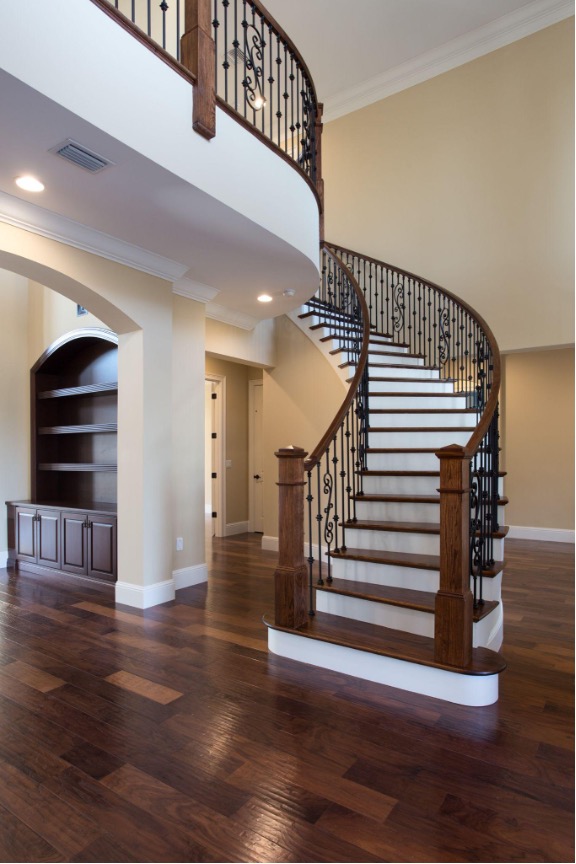
Staircases can also become architectural statements. Wood treads in place of carpet, a substantial handrail, and well-designed balusters in wood or iron can turn a basic staircase into one of the most memorable features in the home.
High Impact Without Major Structural Cost
From a financial perspective, trim carpentry offers one of the strongest returns in interior design.
Increasing square footage, altering layouts, or moving structural walls can be expensive. Trim work, by comparison, is relatively affordable while dramatically increasing perceived value.
Detailed interiors photograph better and show better. They feel more custom. Buyers and visitors may not always identify the specific reason a home feels elevated, but they notice the difference.
For homeowners building with DiPrima in areas like Melbourne, Titusville, Indian Harbour Beach, or Grant, trim provides a way to distinguish the home without unnecessary excess.
The Difference Is in the Details
Drywall alone is not architecture.
What separates a thoughtfully built home from a standard one is not just size. It is the detail. The profile of the baseboard, the proportion of the crown molding, the selection of doors, and the presence of intentional architectural features all contribute to a finished result.
When planning a new home, it is easy to focus on square footage, cabinets, and countertops. Those matter, but they do not complete the house on their own. Character comes from the smaller decisions that shape how a space feels day to day.
Well-executed trim carpentry brings warmth, scale, and permanence to a home. It turns a clean interior into a complete one. When working with an experienced custom home builder, considering these details early in the design process helps ensure the finished home feels intentional, comfortable, and truly custom. Contact us Today!