

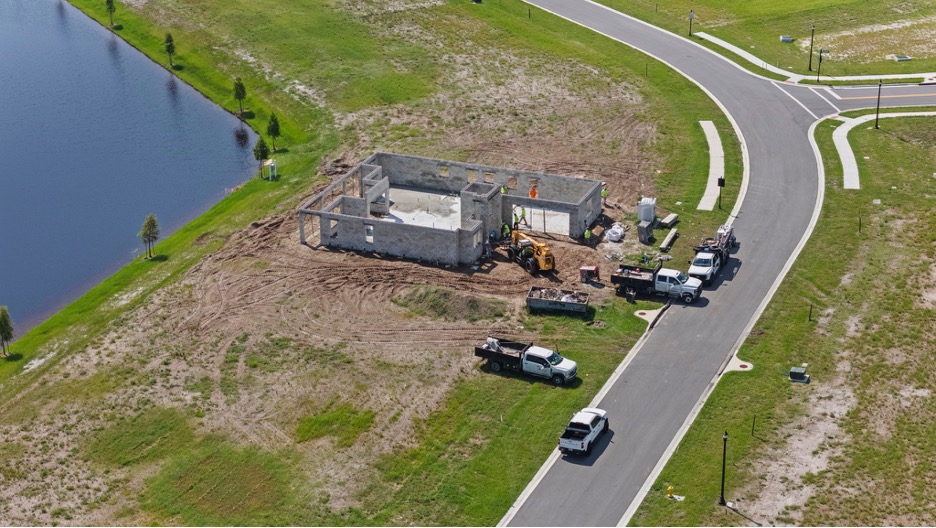
Choosing a Lot: What to Check Before You Buy
Selecting your lot is the first big decision when building a custom home, and it shapes everything that follows. Some custom builders own and sell developed lots, while others build on their client’s property. A lot that looks perfect on a listing can carry hidden costs and potentially limit what you’re allowed to build. Here is what we walk through with our homeowners before they close on their own property.
Start with How You Want to Live
Think about acreage versus location. Some owners want space for a detached workshop, storage, or a horse barn, and are happy to drive farther for it. Others would rather have a shorter commute to work and a quick trip to the grocery store.
Next, consider the community itself. You may know Titusville well and want to stay close, or you may want to be near the beach, and live in a town like Indialantic. Water views, golf course frontage, or a wooded setting can also drive the decision, and each affect the property’s price and the house’s design.
Water and Sewer
Not every lot in Brevard County connects to city utilities. Parts of Grant-Valkaria, Malabar, and Palm Bay rely on well water, which often requires a filtration system.
To dispose of wastewater, sewer is the simpler path forward, and the house taps into the system near the road. Septic systems are more involved. The systems generally run well, but they require maintenance, and the rules for installing them are changing.
As of October of 2026, a federal court order has paused new septic permits in the northern Indian River Lagoon watershed, and it remains in effect until the state obtains a federal incidental take permit. In other areas, West Melbourne or Palm Bay, new septic systems are allowed, but they must be upgraded aerobic units. In locations without nearby sewer, like parts of Merritt Island, our ability to build new houses is limited.
As the ruling is subject to recent legislative decisions, always confirm the current status with the Health Department for a specific address.
Is the Lot Dry?
A half-acre or one-acre lot may offer far less usable space than the listing suggests. Wetlands cannot be developed, so ask how much of the property is truly buildable for your custom home.
Also, check on the property’s flood zone. A dry lot can still sit in an AE zone, which raises the required finished floor height and affects design, fill, and cost. Soil quality matters, too. Poor soil, or low spots, can increase the required site preparation or change the type of foundation system on the house.
Zoning, Setbacks, and Lot Shape
Setbacks are the required distances between the house and the front, rear, and side property lines. They are set by the local jurisdiction and vary by zoning district. Two identical lots of the same size can support very different homes depending on the relevant zoning code.
A quarter-acre lot may sound generous, but once the setbacks are applied, the buildable area can be much smaller than expected. Lot shape compounds this. Narrow, irregular, or corner lots can leave an awkward footprint that limits layout, garage placement, and outdoor living space. Easements for utilities and drainage reduce the buildable area further.
Before falling in love with a floor plan, check on the zoning, setbacks, and any easements. Then check that your plan fits inside the space that remains. Setbacks can also affect where a septic system or well may be placed.
Clearing and Protected Species
Trees, brush, and wildlife can add time and cost before construction begins. Gopher tortoises, for example, are protected in Florida and may need to be relocated under a permit, which takes time and is expensive. Mature trees may also be protected by local ordinance. Researching this early helps you budget accordingly.
Power, Gas, and Internet
On rural lots especially, look at how far the home is from the nearest power line, whether natural gas is available or if you’ll need propane, and what internet service is offered. While fiber optic service is increasingly available in development communities, rural locations may depend on satellite service for internet access.
The HOA Question
Deed-restricted and HOA communities can limit house size, exterior colors, fencing, and even building materials. Some owners value that consistency to protect property values, and others prefer more freedom. Review the restrictions before you buy, not after.
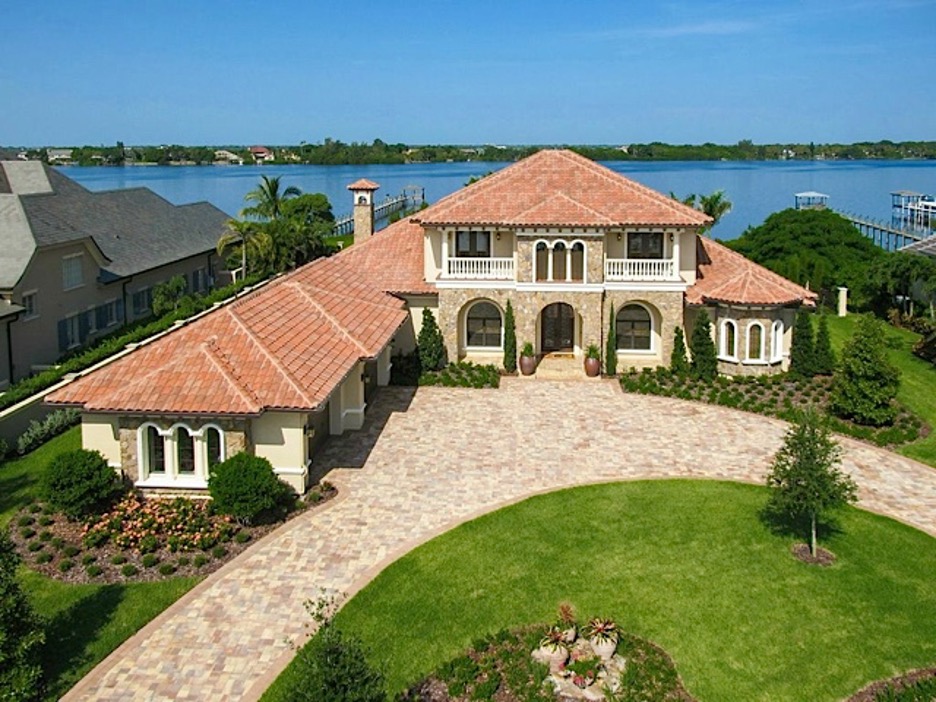
Figure 3: A DiPrima build on the Indian River.
Call Us Before You Close
If you are considering DiPrima to build On Your Own Lot, the best time to talk to us is before you commit. We can review a lot for feasibility and give you a rough range of site costs, so you can buy with confidence. A short conversation up front can save a great deal of time and money later.